A short record of how Linux and Neovim became part of my daily life, from a small frustration in class to the tools I still keep close.
How It Started
I started learning Linux because I got frustrated in a
Windows class in 2020. I couldn't even switch from C: to D: in
the command line, and that bothered me enough to keep going. That's also how I met one of my best friends,
who later became my roommate.
At my fastest, I could install Arch Linux on a machine in 25 minutes.
Systems I Explored
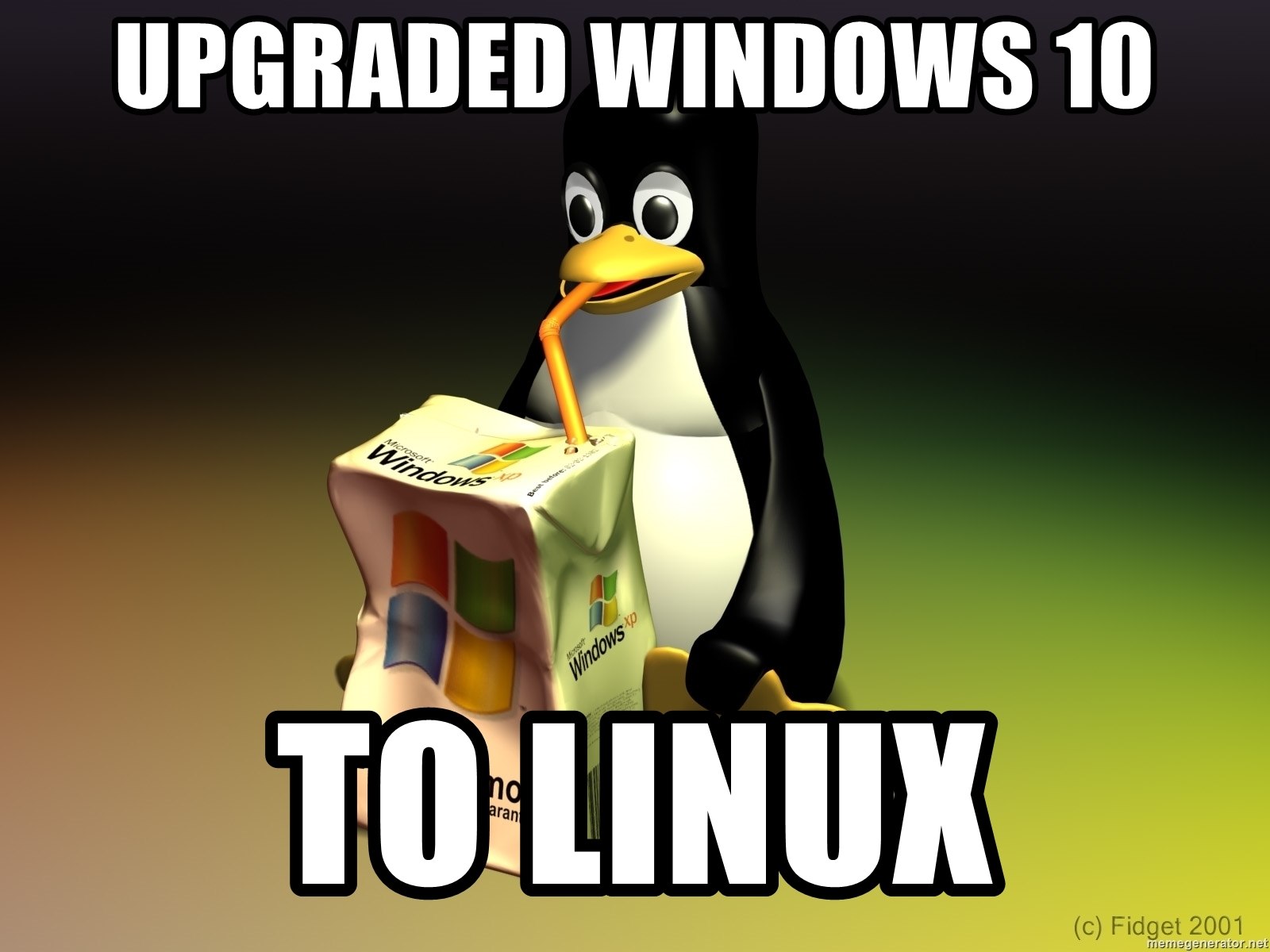
Over the years, I tried a range of distributions rather than staying in one place: CentOS, Ubuntu, Fedora, Linux Mint, Manjaro, Arch Linux, and Debian, just like the rest of Tux <(◔Θ◔)>.
These days, I spend most of my time on a Mac, but I still often return to Arch and Debian whenever I can.
Neovim
Life in Linux is “painful”, but Neovim makes it sweet. I've always believed that if you can't fully understand your editor, it's impossible to write code efficiently or enjoy it. Configuring Neovim has been part of almost my whole journey with computers. For a while, I thought I had finally settled down. I barely changed it through most of 2025, and then Neovim 0.12 appeared... To be honest, I am not a big fan of vim.pack :(
My Neovim corner lives here: Neovim-QWERTY. Yes, I used Colemak for two years.
Tools
My .dotfiles repo is still fairly small, but it mostly revolves around GNU Stow. That is how I keep the pieces tidy.
Shell and terminal:
- Zsh
- Kitty
- tmux
- Joshuto
Editors:
- Zed
Linux desktop:
- Hyprland
- Waybar
- i3
macOS desktop:
- Yabai
- skhd
- SketchyBar
- AeroSpace
- borders
Browser, scripts, and other bits:
- qutebrowser
- qutebrowser_mac
- desktop entries
- scripts
- wallpapers
- Maple Mono font